Close Menu

Notice of a statutory nuisance under Section 82(6) Environmental Protection Act 1990
Residential Landlords – how well do you know the current condition of your rental property and are you meeting all your obligations?
Landlords might be unaware that tenants can bring housing ‘statutory nuisance’ prosecutions with the help of lawyers acting on a no-win, no-fee basis. These are bad news for residential landlords due to the need to comply within 21 days or face criminal proceedings, potential for substantial legal costs and having to effect remedial works under time pressure.
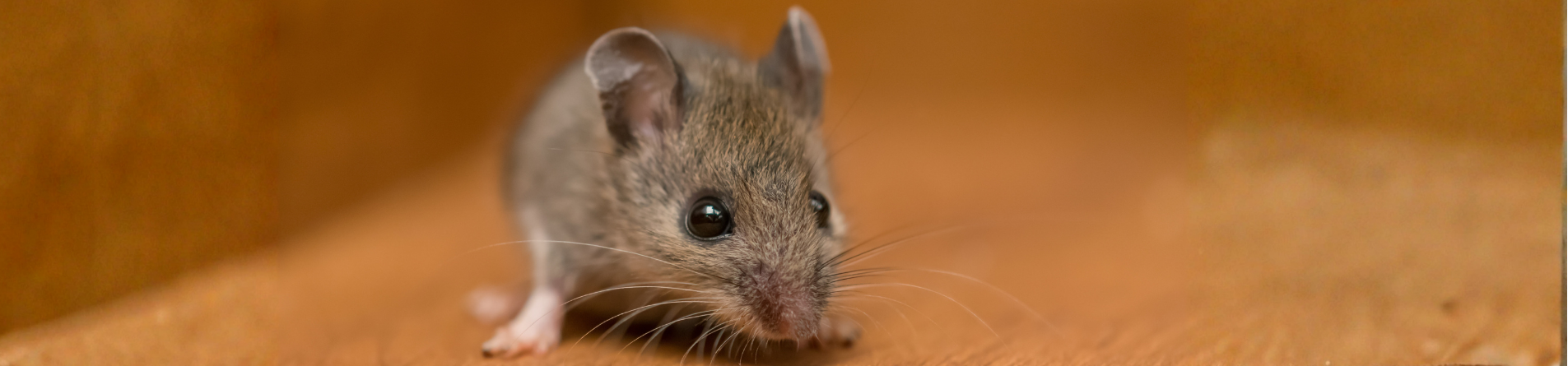
According to Shelter, 21% of homes in the private rented sector do not meet the ‘decent homes standard’. Is it therefore only landlords of those 21% of properties who need to worry about statutory nuisance prosecutions? We would say no – and that even landlords with ‘decent’ properties can be caught out. This might happen suddenly if, for example new tenants started drying clothes with the windows shut or whose kitchen habits lead to a visiting mouse or two becoming a rodent infestation.
Landlords can easily underestimate such issues and wrongly assume they would not be the concern of the criminal law. However, the threshold for ‘statutory nuisance’ is quite low, including premises in such a state as to be prejudicial to health…. Mould, damp or rodents are likely to be considered prejudicial to health, especially following the tragic case of Awaab Ishak, a two-year-old boy who died from a mould-related illness. Lawyers for tenants use experts who specialise in these claims. Once an expert determines conditions in a property are prejudicial to health, the tenant is well on the way towards securing a criminal conviction against their landlord.
Residential landlords and their agents must therefore be on high alert for potential “statutory nuisances” and act to resolve them. If not, a frustrated tenant is only a few clicks away from instructing no-win, no-fee solicitors. If so, a notice is likely to follow, saying that if the issues (damp, mould, rodents etc.) are not abated within 21 days court proceedings will be issued.
Danger lies in not understanding what the notice means, or that it is allowing only 21 days to fix the problem. As landlords often give their agent’s address as their address for service, they might not find out about it straight away and further reduce the already small window of opportunity to deal with the issues.
If there is a failure to respond within 21 days, the solicitors involved will be quick to issue proceedings. Why the urgency? First, quite rightly to progress the resolution of the health hazard in their client’s living accommodation; second as they will automatically be entitled to costs from that point on.
The next stage will be a summons to attend the Magistrates Court, to plead guilty or not guilty.
A plea of not guilty may be appropriate if the tenant’s expert opinion is open to challenge and/or the statutory nuisance can be ‘abated’ before there is a trial. The trial date might only be weeks away. In that timeframe landlords have to instruct a surveyor to inspect and prepare a schedule of works, then find specialists to complete the necessary works in a race against the clock.
In a house with chronic damp and mould problems, the work may be extensive, with no guaranteed outcome. Landlords therefore face some jeopardy, not knowing if their remedial efforts have been successful. If not, they face a conviction, compensation and liability orders and paying prosecution costs.
The stakes are therefore high. Agents should be monitoring for damp, mould, rodent infestation defects and complaints, which should be fed back. Failure could place landlords on a fast-moving conveyor belt towards a criminal trial. Once a tenant mentions solicitors, or there is a legal letter or Notice, landlords should obtain urgent legal advice
Worthy of special mention is ‘Awaab’s Law’ which came into force October 2025, requiring social landlords to repair hazards including mould and damp, within strict timeframes. These new regulations apply to social housing i.e. council and housing association homes – and not the private sector as yet. If you have received legal correspondence or a notice, or require representation in a statutory nuisance prosecution, we can assist and please contact Andrew Clarke a.clarke@gullands.com